%2Ffit-in%2F250x250%2Fguide_websites%2F57391%2Fimages%2F1766457735788logo.jpg&w=1200&q=100)
Offshore Tuna Fishing Freeport NY Prime Reel Estate
- Published Date: December 22, 2025
- Fishing
- Freeport, NY
- $1,200 - $3,000 price range
Summary
%2F%2Fusers%2Fd8c55154-be11-48a1-8b3b-c88459e1d465%2Fratecard%2F474759506_1066353988628444_148546340502294606_n-mj87z6je.jpg&w=1200&q=75)
Offshore Tuna Action
Offshore Tuna Fishing Trip Freeport NY
Ready to go big and chase some serious offshore action? This 14-hour private charter out of Freeport puts you right in the middle of some of the best tuna fishing the Northeast has to offer. We're talking about a 2 AM departure that gets you to the prime offshore grounds while the fish are still actively feeding. From June through October, these waters come alive with migrating pelagics, and this trip is designed to put you on them when they're most cooperative. With space for up to five anglers on a fully rigged vessel, you'll have everything you need to tangle with fish that can easily hit triple digits on the scale.
What to Expect on the Water
This isn't your typical half-day trip – we're talking about a serious commitment to finding fish in the deep blue. The 2 AM start might sound brutal, but there's method to the madness. We'll be running 20-30 miles offshore to hit the productive waters where the Gulf Stream pushes baitfish and creates those temperature breaks that tuna love. The early departure gets us there right when the bite is hottest, usually around sunrise. You'll spend the day working proven offshore techniques, from chunking and live baiting to high-speed trolling when conditions call for it. The boat comes fully loaded with quality Penn and Shimano gear, plus all the bait and tackle you'll need. Don't worry about bringing anything except your fishing license, plenty of water, and maybe some snacks since meals aren't included on this one.
Techniques & Offshore Setup
Captain knows these waters like the back of his hand, and the approach changes based on what we're seeing out there. Most days start with chunking – cutting up bunker and butterfish to create a slick that draws fish up from the depths. We'll drift back through the chum line with circle hooks and fresh chunks, waiting for that screaming run that means business. When the fish are scattered or the bite slows down, we switch to trolling spreads with cedar plugs, ballyhoo, and diving plugs to cover water and locate active schools. The boat's rigged with outriggers and a full electronics package including fish finders and GPS to mark productive spots. Live bait fishing with eels or mackerel is another deadly technique, especially for the bigger bluefin that cruise these waters. Everything's set up for maximum fishing time – we're not wasting daylight running back and forth.
Top Catches This Season
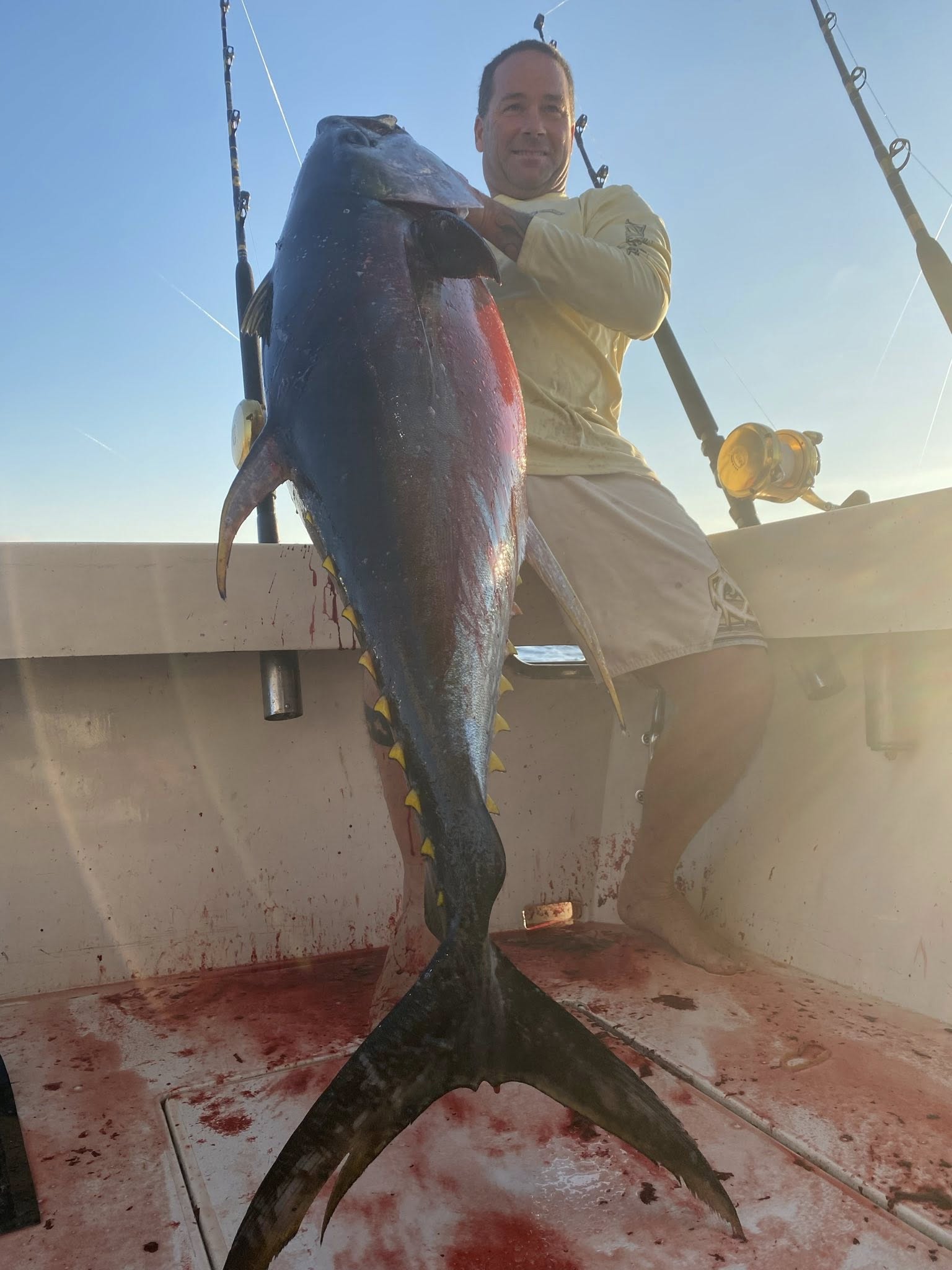
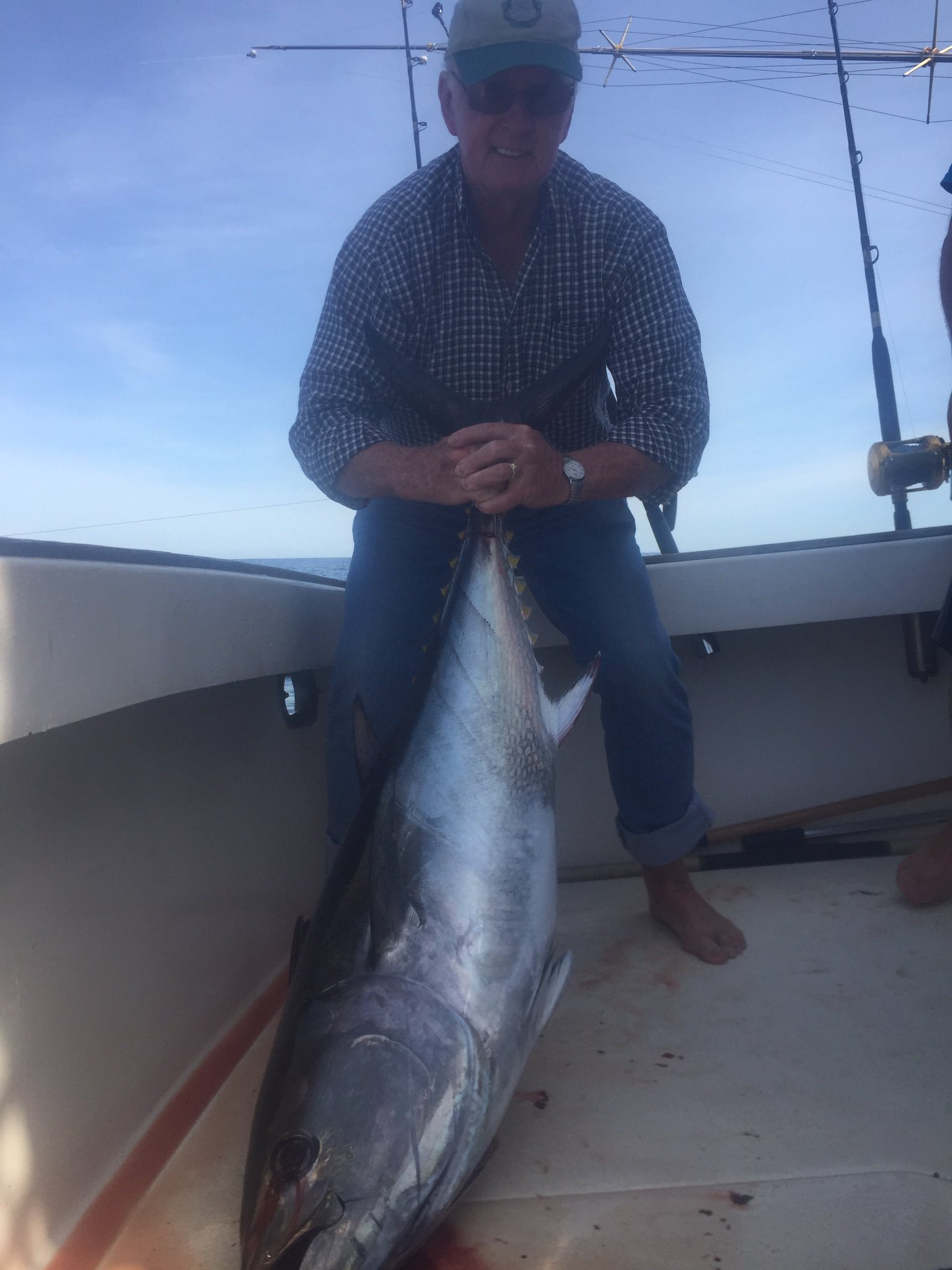
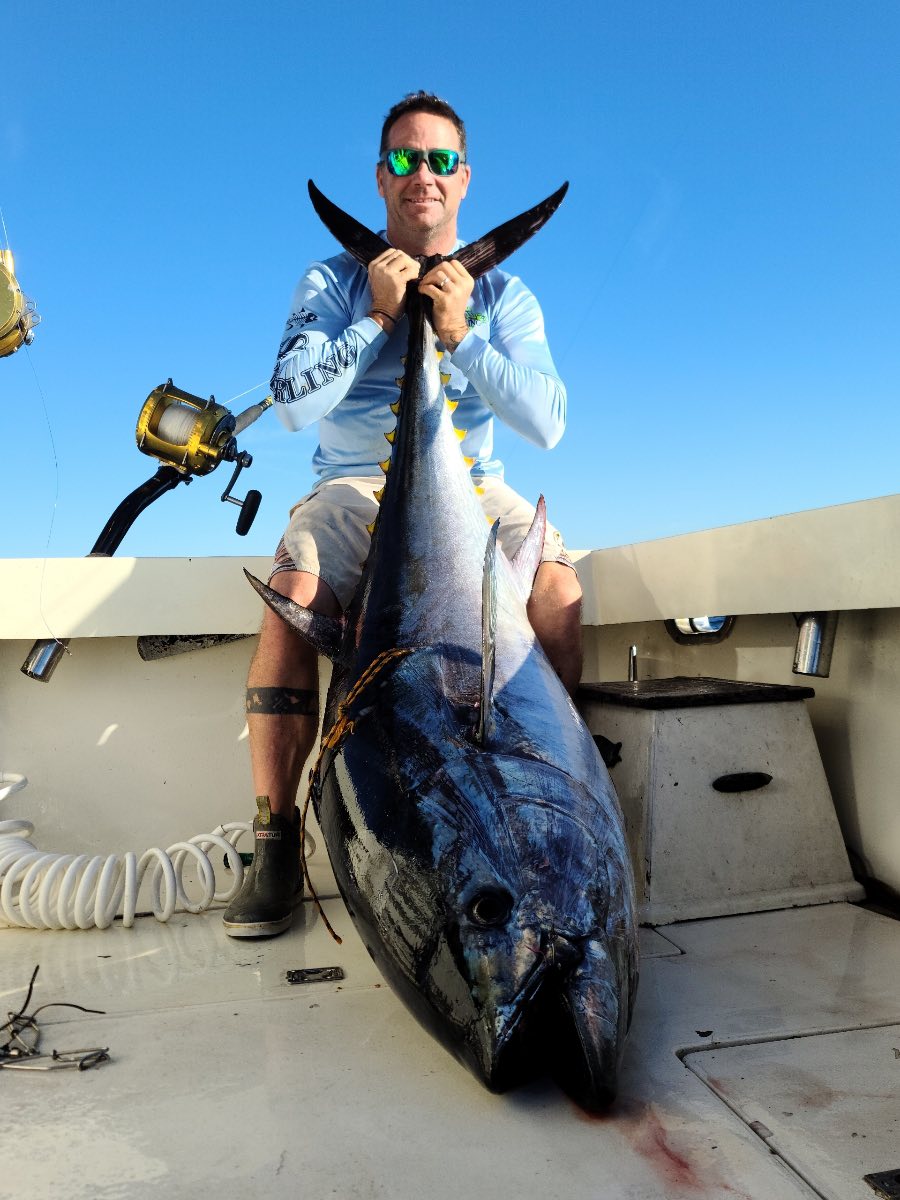
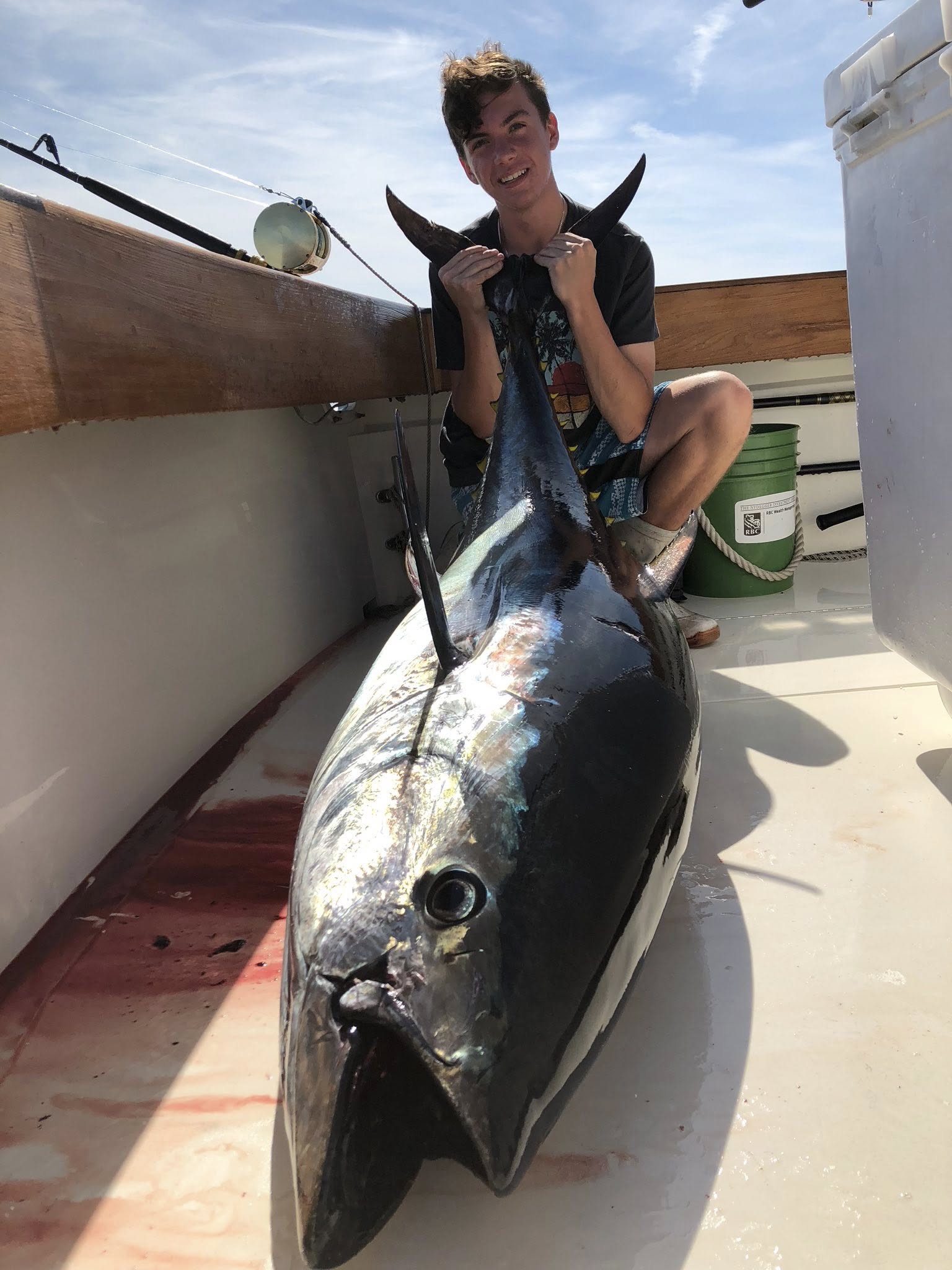
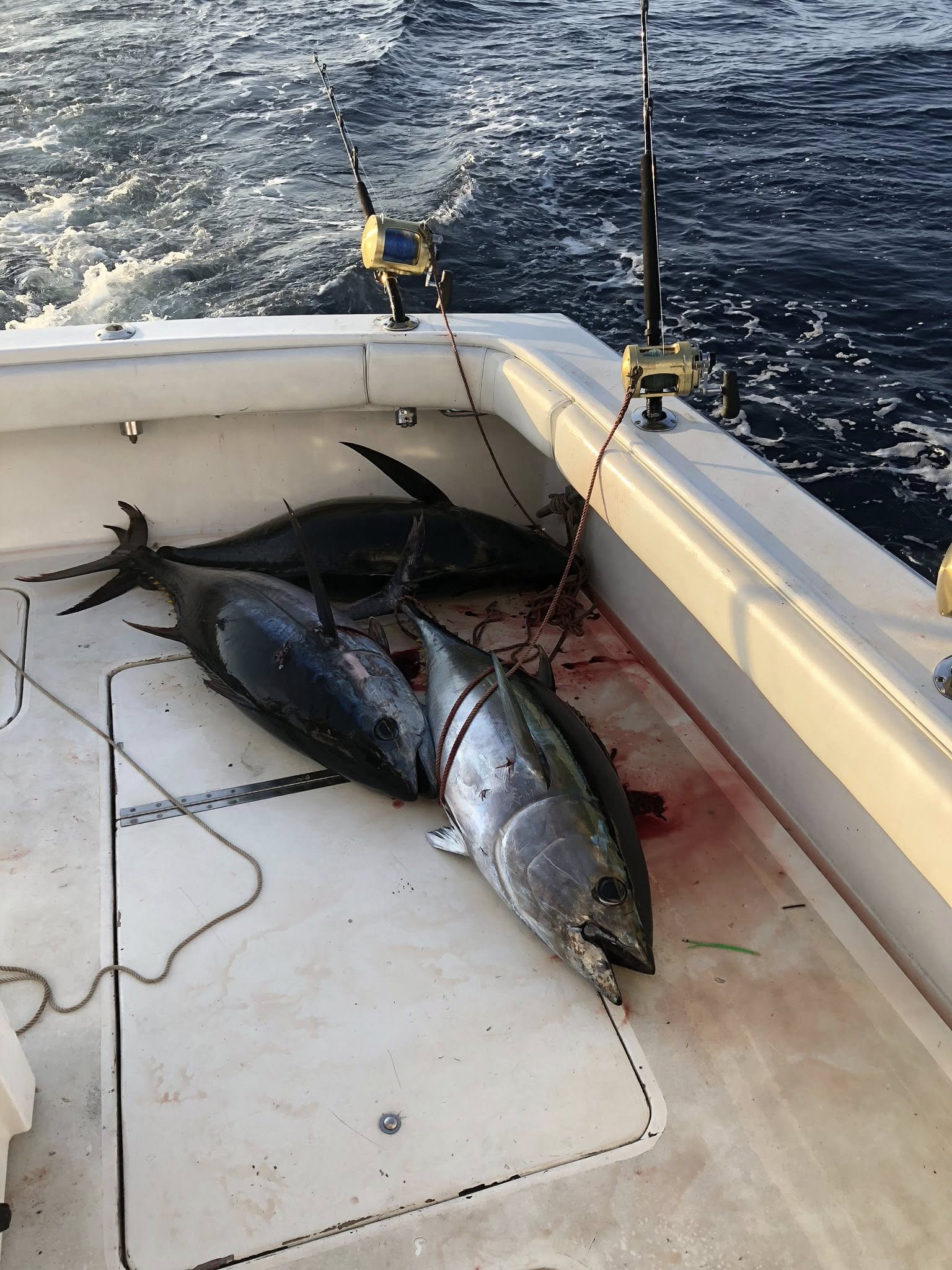
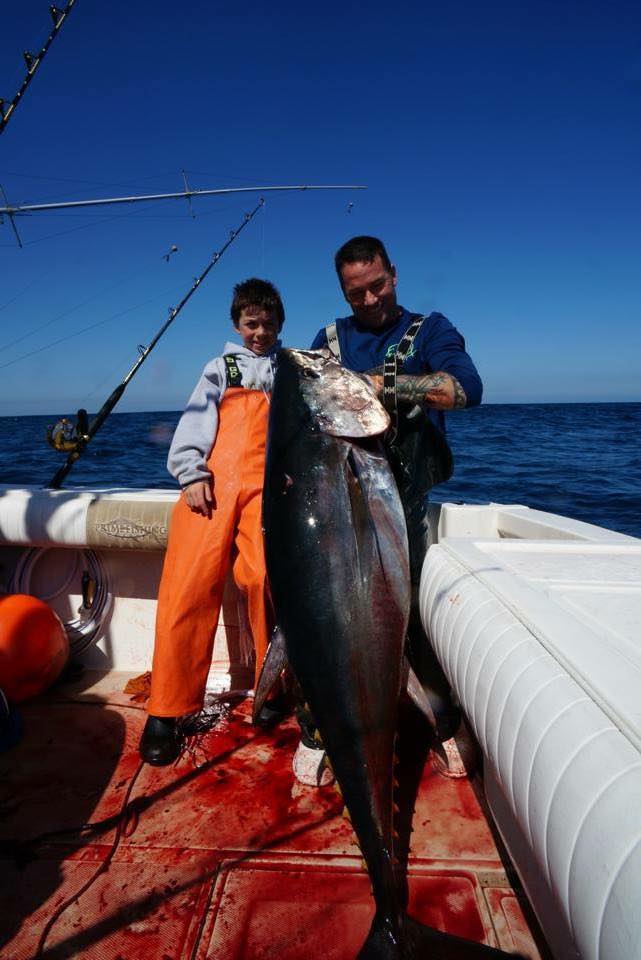
Bluefin Tuna are the main event here, and for good reason. These fish show up in Freeport's offshore waters consistently from June through October, with peak action usually hitting in August and September. We're talking about fish ranging from school-size 30-pounders all the way up to giants over 200 pounds. What makes bluefin so special is their incredible power – they'll take line off your reel like it's going out of style and test every bit of drag you can put on them. The meat quality is outstanding too, perfect for sashimi if you know what you're doing with it.
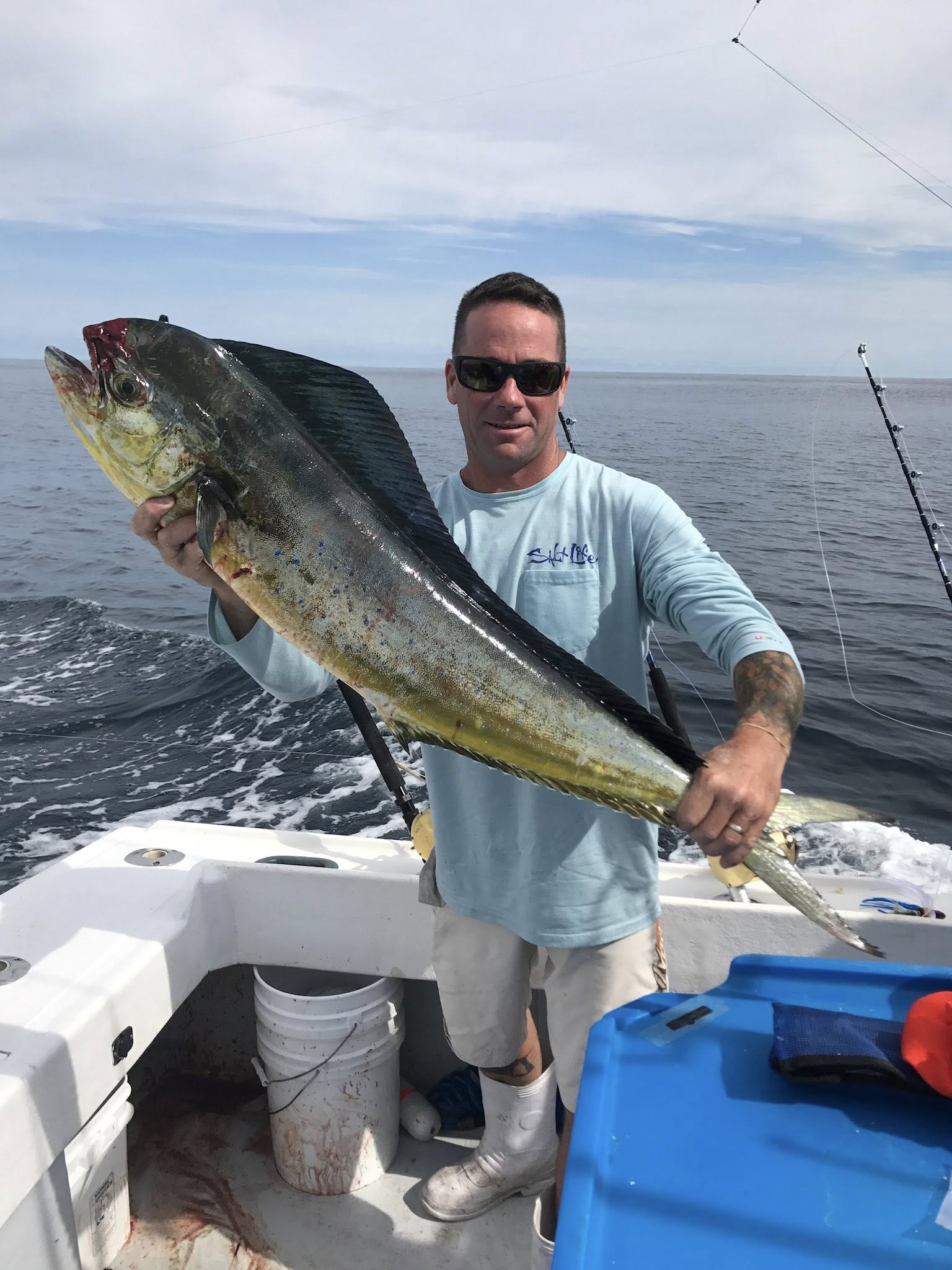
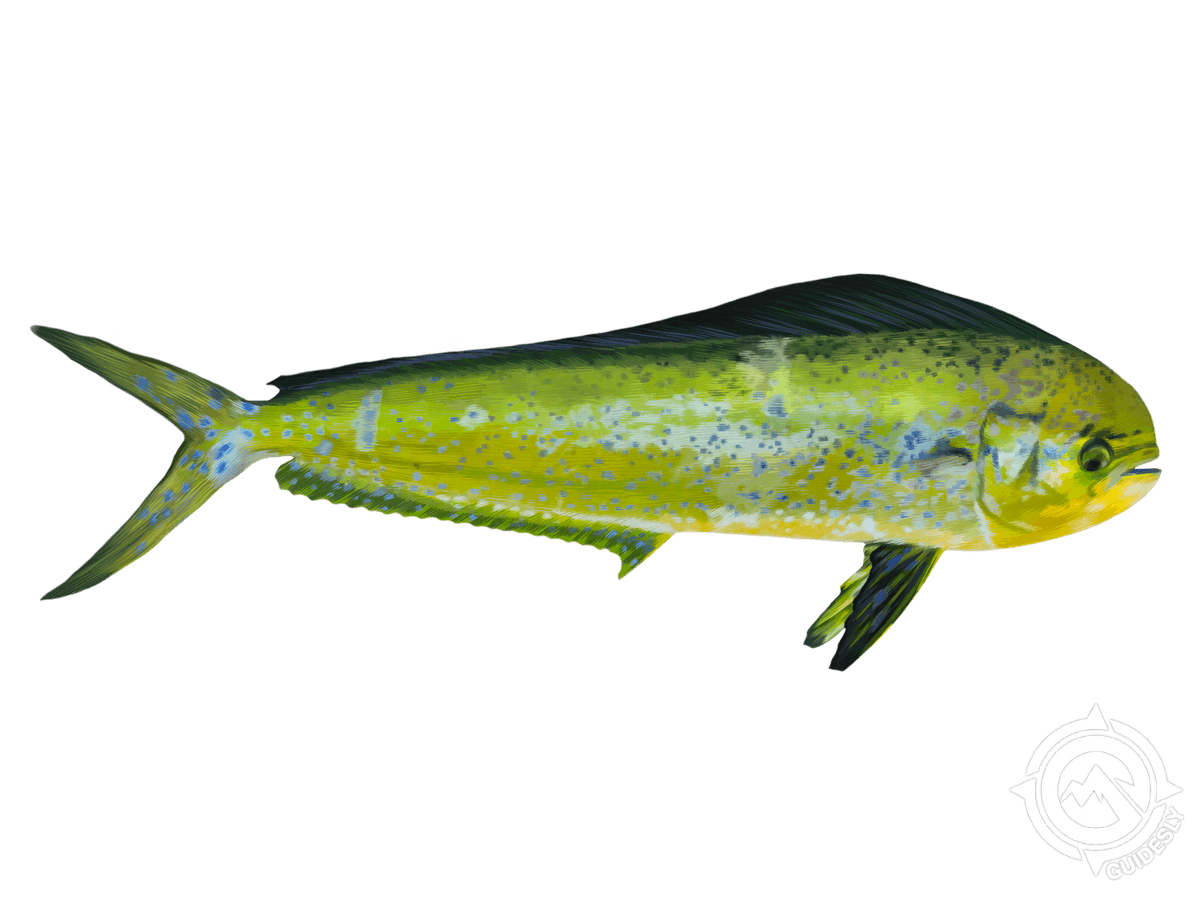
Mahi Mahi or Common Dolphinfish bring a different kind of excitement to the mix. These guys are pure acrobats, jumping clear out of the water and putting on a show that'll have everyone on the boat scrambling for their phones. They typically run 10-25 pounds in our waters and school up around floating debris, weed lines, and temperature breaks. Mahi are also some of the best eating fish in the ocean – firm, white meat that's perfect on the grill. They're most common during the warmer months, especially July through September.
Blue Marlin represent the holy grail of offshore fishing around here. These fish don't show up every trip, but when they do, it's game-changing. We're talking about fish that can easily hit 300-400 pounds and fight like nothing else in the ocean. They'll jump, dive, and strip line for what feels like hours. Most of the blues we encounter are caught and released, but just having the chance to hook one of these legendary fish makes the long day worthwhile.
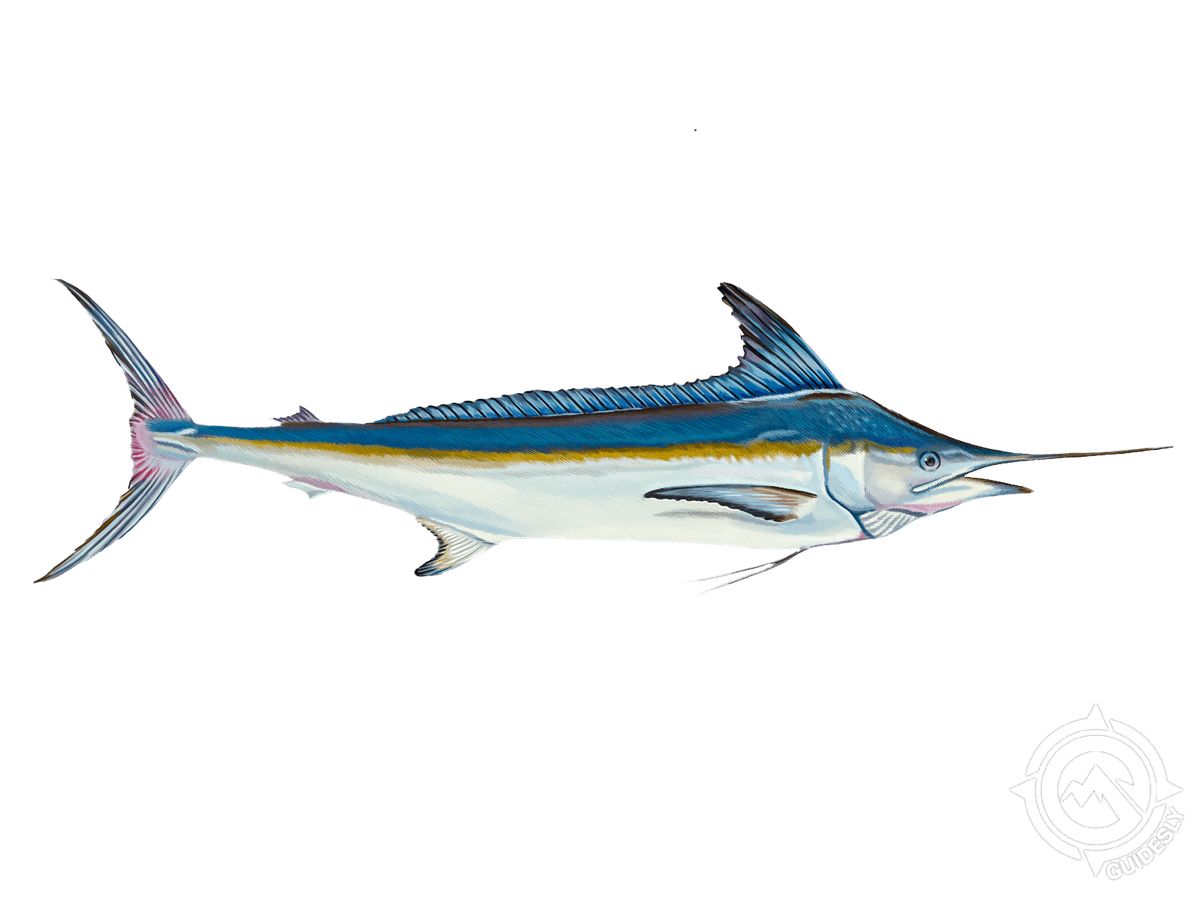
White Marlin are more common than their blue cousins and typically run 50-80 pounds. They're incredible fighters for their size and known for their aerial displays. These fish respond well to trolled ballyhoo and small lures, and they're most active during the warmer months. Like blues, most whites are released to fight another day.
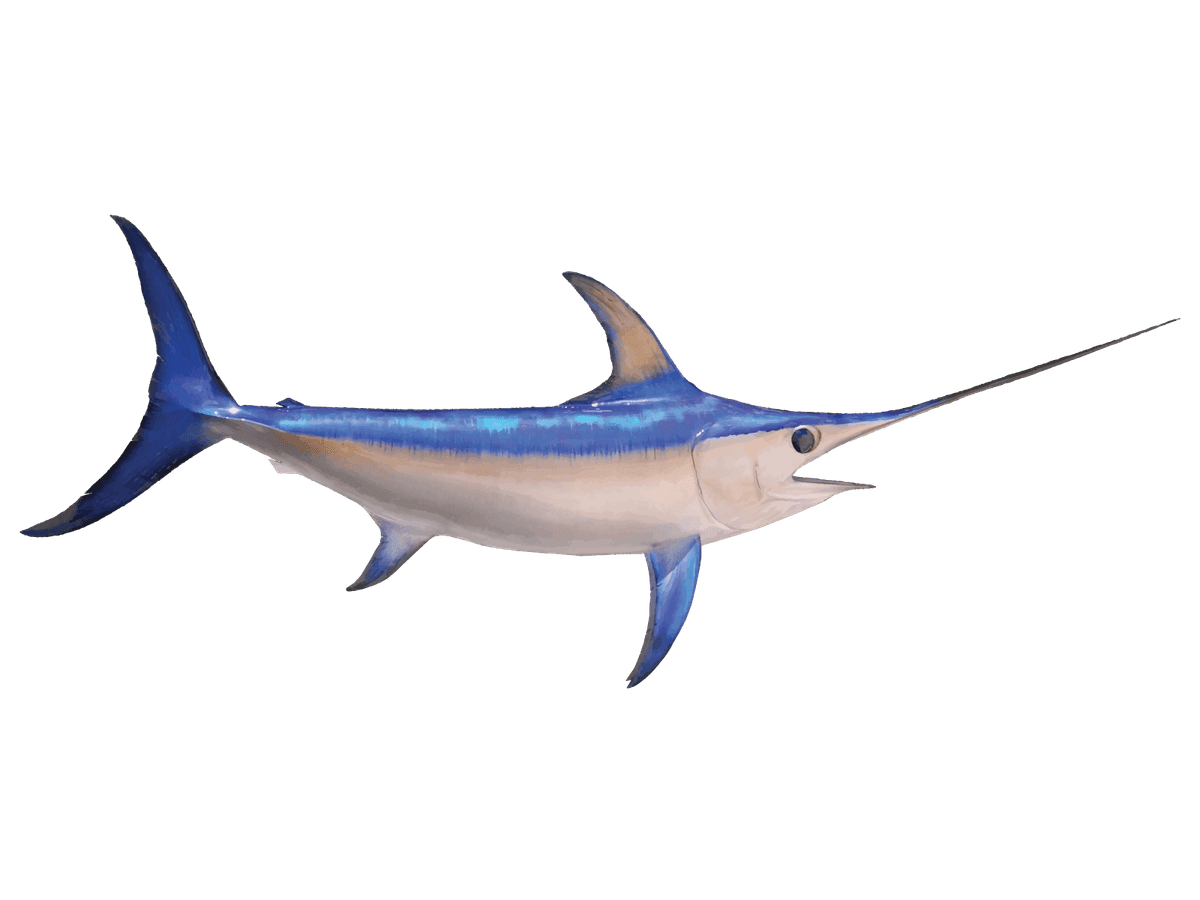
Swordfish add an element of mystery to the mix since they're often caught while targeting other species. These deep-water predators can show up anytime but are most active during low-light periods – dawn, dusk, and overcast days. A good swordfish will run 50-150 pounds and provide a completely different fight than the other species we target. They're bulldogs that use their size and strength rather than speed and jumps.
Time to Book Your Spot
If you're serious about offshore fishing and want to experience some of the best tuna action the Northeast has to offer, this trip delivers. The combination of prime timing, proven techniques, and productive waters gives you every advantage when it comes to connecting with quality fish. The private charter setup means you're not fighting for rail space or dealing with crowds – just you, your group, and some of the most exciting fishing you'll find anywhere. Keep in mind that deposits are non-refundable, so make sure you're committed before booking. The season runs June through October on weekends only, and the best dates fill up fast once word gets out about how the fishing's been. Don't sleep on this one if you want to see what all the offshore hype is about.
Learn more about the species
Blue Marlin
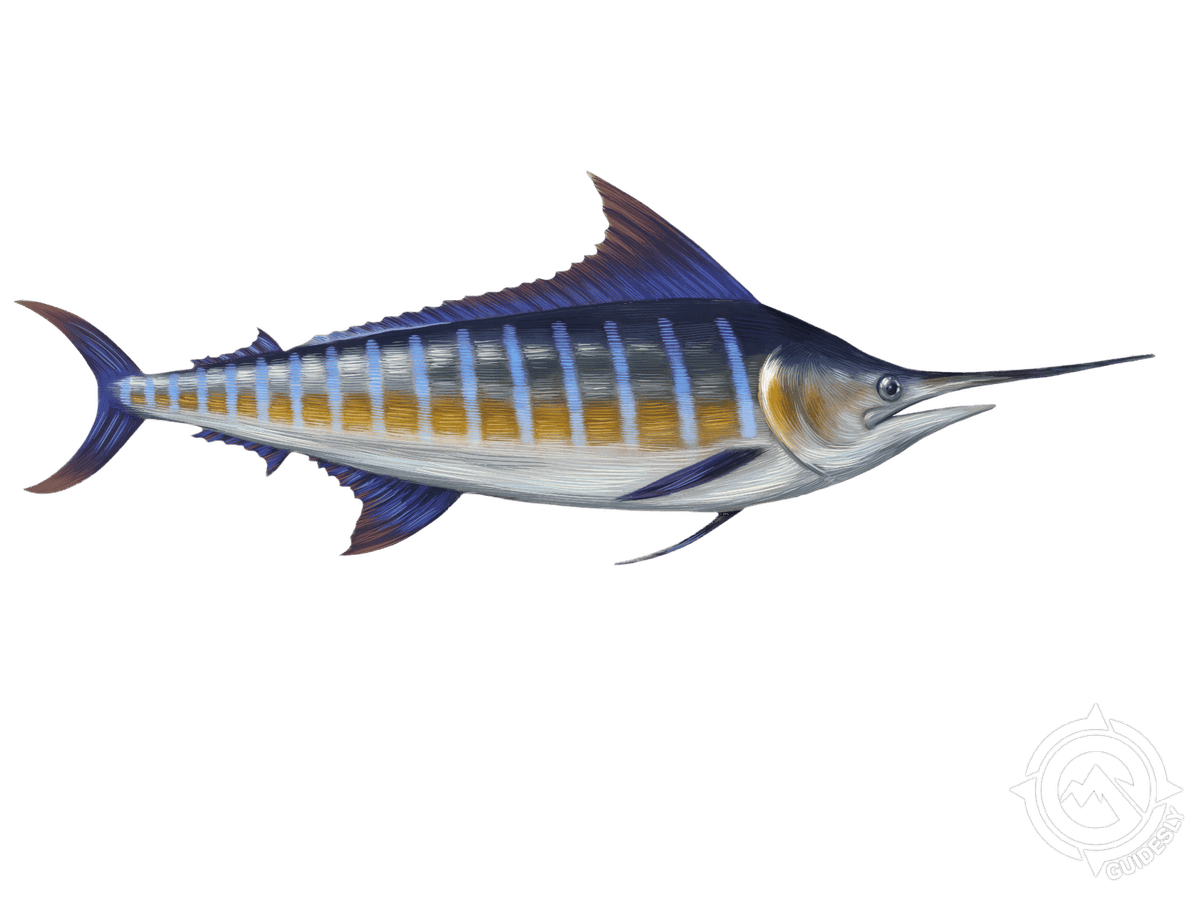
Blue marlin are the giants of our offshore waters, with females reaching 1,000+ pounds while males stay around 300-400. These apex predators cruise deep blue water from June through October, following baitfish along temperature breaks and canyon edges. They're built for power with that signature bill and cobalt-blue coloring that shifts as they fight. What makes them special? Pure raw strength and those legendary jumps when hooked. They'll test every piece of your gear and your endurance. We target them trolling ballyhoo and rigged squid around 8-15 knots. Pro tip: when one shows behind the bait, don't pull it away - let that fish eat and count to ten before setting the hook. The wait is worth it for a fish this legendary.
Bluefin Tuna
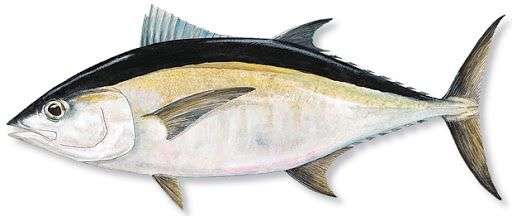
Bluefin are the holy grail of our tuna trips, ranging from school fish around 40-60 pounds up to giants over 200. These warm-blooded speedsters migrate through our waters June through October, following bait schools along temperature breaks and structure. They're built like torpedoes and fight like freight trains - long powerful runs that'll burn your forearms. The meat quality is outstanding, especially for sashimi. We target them trolling cedar plugs and spreader bars, but also chunk fishing when we find them feeding. They're most active early morning and late evening. Pro move: when bluefin are finicky, downsize everything - lighter leaders, smaller hooks, and natural baits like herring or mackerel often get the bite when nothing else works.
Mahi Mahi or Common Dolphinfish
Mahi are the workhorses of our offshore trips, averaging 15-30 pounds with those stunning golden sides and electric blue-green backs. They love floating debris, weed lines, and current edges in 100-400 feet of water. Peak season runs July through September when they're thick out there. What guests love most is their willingness to bite and that bulldogging fight - plus they're fantastic table fare with firm, sweet meat. We find them trolling but also casting once we locate a school, since they often travel in groups. Here's the trick: when you hook one, keep it in the water alongside the boat. The others will stay around, and you can often get multiple fish from the same school before they scatter.
Swordfish
Swordfish are the deep-water specialists, averaging 100-200 pounds with that distinctive flat bill and dark torpedo shape. They live in 800-3,000 feet of water along the continental shelf and canyon edges. Best action happens June through October, especially on calm nights when we can set up properly. These fish are prized for their challenging deep-water fight and excellent eating - firm, meaty steaks that grill perfectly. They're primarily night feeders, coming up from the depths to hunt squid and baitfish. We target them with heavy tackle, dropping whole squid or rigged baits down 300+ feet with lights to attract them. Key tip: patience is everything with swords - set your spread and wait. When that rod doubles over, it's game time.
White Marlin
White marlin are the smaller, more numerous cousins of blues, typically running 40-80 pounds and reaching about 8 feet. These fish patrol the same offshore waters from July through September, hunting flying fish and squid along temperature breaks and canyon structure. They're distinguished by spots on their dorsal fin and that classic billfish fight - jumping, running, and testing your drag system. Guests appreciate that they're more catchable than blues but still deliver that authentic billfish experience. We target them trolling rigged ballyhoo and small lures at 7-9 knots. Local secret: when you see one following your bait, slow the boat down slightly and let that bait fall back in the spread - often triggers the strike.
About the Prime Reel Estate Sportfishing
%2F%2Fusers%2Fd8c55154-be11-48a1-8b3b-c88459e1d465%2Fvehicle_picture%2F514399359_23906064115671002_3222295579056574523_n-mj86xfbn.jpg&w=1200&q=75)
Vehicle Guest Capacity: 5
Manufacturer Name: Catapillar
Maximum Cruising Speed: 24
Number of Engines: 2
Horsepower per Engine: 420